An overbite or underbite is not always a problem that needs treatment. Many people have mild bite misalignment and live with it comfortably without any issues.
The concern begins when the bite starts affecting how you chew, speak, or when it causes tooth wear, jaw discomfort, or noticeable changes in alignment over time.
Most people cannot accurately judge severity on their own. A bite can look “normal” but still place stress on teeth and jaw joints, or it can look severe but function just fine.
The real question is not just what it looks like, but whether it is affecting your dental health or quality of life.
Key Takeaways
- Mild overbites and underbites are often normal and may not need treatment
- Bite problems become concerning when they affect function or comfort
- Jaw pain, uneven wear, or difficulty chewing can signal a deeper issue
- Bite issues do not usually correct themselves over time
- Braces, Invisalign, and appliances can treat most cases effectively
- Severity depends on function, not appearance alone
- A dental evaluation is the only way to confirm treatment need
What Is an Overbite or Underbite?
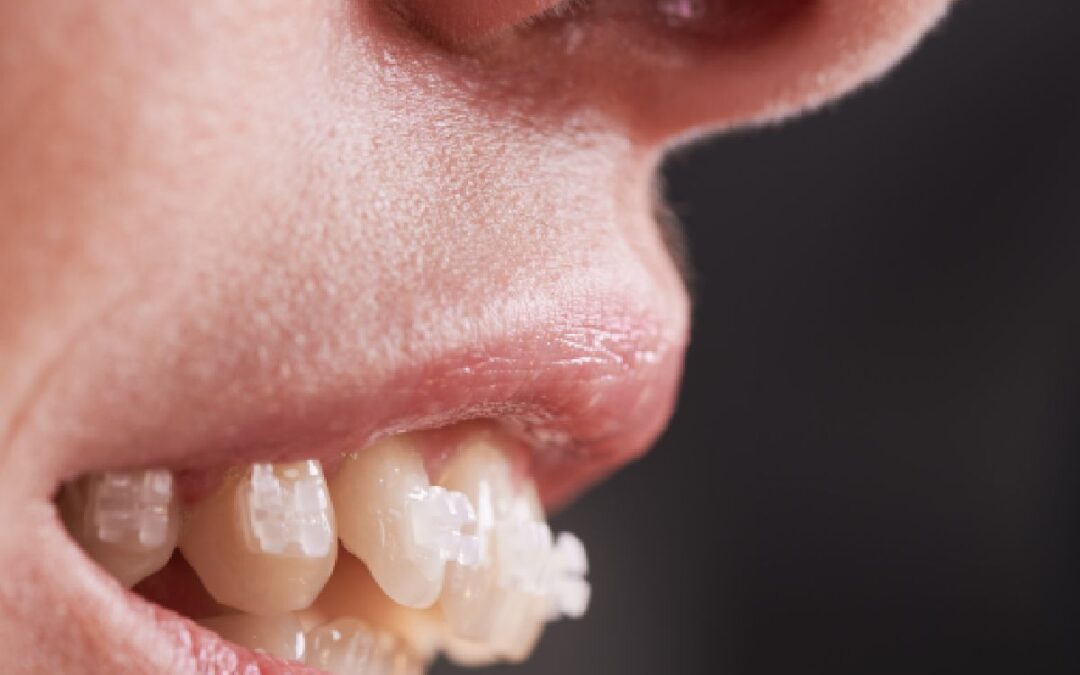
An overbite is when the upper front teeth overlap the lower front teeth more than normal. An underbite is when the lower teeth extend in front of the upper teeth when the mouth is closed.
Both conditions are types of malocclusion, meaning the teeth do not align properly when biting.
Why they happen
- Genetics and jaw structure
- Differences in upper and lower jaw growth
- Childhood habits like thumb sucking or prolonged pacifier use
- Missing or crowded teeth
What normal looks like
In a healthy bite, the upper teeth slightly overlap the lower teeth, and both jaws meet evenly without strain.
Visual suggestion
Diagram showing normal bite vs overbite vs underbite
Alt text: “Comparison of normal bite, overbite, and underbite alignment”
How Do You Know If Your Overbite or Underbite Is a Problem?
A bite becomes a concern when it affects function, comfort, or long-term dental health.
Difficulty chewing or biting
If food feels uneven or you struggle to bite properly, your bite alignment may be affecting function. This happens when teeth do not meet evenly, forcing certain areas to work harder than others.
Jaw pain or clicking
Misaligned bites can strain the jaw joints, sometimes leading to discomfort, stiffness, or clicking sounds when opening and closing the mouth.
Speech changes
In some cases, significant overbites or underbites can affect pronunciation, especially sounds that rely on front teeth positioning.
Tooth wear or damage
Uneven bite pressure can wear down certain teeth faster, leading to flattening, chipping, or sensitivity over time.
Facial or bite imbalance concerns
Severe cases may affect jaw positioning, which can influence facial balance or symmetry.
When Is an Overbite or Underbite Considered Severe?
A bite is generally considered severe when it significantly impacts function, oral health, or jaw alignment—not just appearance.
Dentists and orthodontists assess severity based on how the teeth and jaws interact, not just how they look in a mirror.
Simple severity guide
| Type | Mild | Moderate | Severe |
| Overbite | Slight Overlap | Noticeable Overlap | Upper Teeth Cover Most of Lower Teeth |
| Underbite | Minimal Lower Jaw Forward | Visible Jaw Protrusion | Strong Forward Lower Jaw Position |
Key point
Two people can have similar-looking bites, but very different treatment needs depending on wear, pain, and jaw function.
What Happens If You Don’t Fix a Severe Bite Problem?
If a bite problem is significant and left untreated, it can gradually affect both comfort and long-term dental health.
Common consequences
- Uneven tooth wear over time
- Increased risk of chipped or broken teeth
- Gum stress in certain areas
- Jaw joint strain (TMJ-related discomfort)
- Difficulty maintaining oral hygiene in crowded or misaligned areas
How it progresses over time
- Early stage: mostly cosmetic concerns
- Mid stage: mild discomfort or uneven wear
- Late stage: pain, joint issues, or tooth damage
How Dentists Determine If You Need Treatment
Dentists do not rely on appearance alone when deciding if treatment is needed. They evaluate how the bite functions in real life.
What is assessed
- How teeth come together when biting
- Jaw movement and alignment
- Signs of tooth wear or pressure imbalance
- Presence of pain or discomfort
- Overall oral health impact
In some cases, X-rays or digital scans are used to understand jaw positioning more clearly.
This is why two people with similar bite appearance may receive completely different treatment recommendations.
Treatment Options for Overbite and Underbite
If treatment is needed, several effective orthodontic options are available depending on severity.
Braces
Braces gradually move teeth into better alignment and are often used for moderate to severe cases.
They are effective for both overbites and underbites because they can address both tooth position and bite relationship. For more information on Braces, read our piece on How Do Braces Work? A Complete Guide for Detroit Families.
Invisalign
Invisalign uses clear aligners to adjust tooth position over time. It is typically best for mild to moderate cases.
It is a more discreet option, especially for adults who prefer less visible treatment. If you want to find out more about the differences between Invisalign and Braces, read our guide on Invisalign vs. Braces: Which Is Right for You?
Orthodontic appliances
In some cases, elastics or other devices are used alongside braces or aligners to improve jaw alignment.
Surgery (rare cases)
Severe skeletal underbites or overbites may require surgical correction, usually combined with orthodontic treatment.
This is typically only recommended when jaw structure, not just teeth, is the main issue.
Should You Treat It Now or Wait?
The right timing depends on symptoms and severity.
You may not need immediate treatment if:
- The bite is mild
- There is no pain or discomfort
- Chewing and speaking are unaffected
You should consider evaluation if:
- Bite appears to be changing over time
- Teeth show signs of wear or damage
- Jaw discomfort is present
- Chewing feels uneven or strained
Early evaluation is often helpful even if treatment is not started immediately.
How Detroit Dental Specialists Can Help
Determining whether an overbite or underbite needs treatment requires a professional evaluation.
At Detroit Dental Specialists, bite alignment is assessed based on both function and long-term dental health. The goal is not only to straighten teeth but to ensure the bite works comfortably and does not create future problems.
Treatment recommendations may include orthodontic consultation, braces planning, or Invisalign options depending on the individual case.
Final Thoughts
An overbite or underbite is not automatically a problem, but it becomes important when it begins to affect comfort, function, or long-term dental health.
The key is not guessing severity based on appearance alone. A professional evaluation provides clarity on whether treatment is necessary or if monitoring is enough.
If there are signs of discomfort, wear, or bite changes, early assessment is usually the safest and most cost-effective next step.
CTA Section
Not Sure If Your Bite Needs Treatment?
If you are unsure whether your overbite or underbite requires correction, a dental evaluation can give you clear answers. Understanding your bite early can help prevent more serious issues later.
Frequently Asked Questions
How do I know if my overbite is bad?
An overbite may be considered problematic if it causes tooth wear, jaw discomfort, difficulty chewing, or significant overlap of the front teeth.
Is an underbite worse than an overbite?
Neither is automatically worse. Both can cause issues depending on severity and how they affect function.
Can overbites fix themselves?
No. Overbites and underbites do not typically correct without orthodontic treatment.
What age should you fix an overbite?
Treatment can be done at almost any age, but earlier evaluation often leads to simpler correction.
Do overbites get worse with age?
They can worsen in some cases due to tooth movement, wear, or jaw changes over time.
Can Invisalign fix an underbite?
Mild underbites may be treated with Invisalign, but more severe cases may require braces or other orthodontic approaches.
Is it expensive to fix an overbite?
Costs vary depending on severity and treatment type, but many practices offer financing options.
What happens if you ignore an underbite?
Ignoring it may lead to uneven wear, jaw discomfort, and potential long-term dental complications.