Yes, crooked teeth can contribute to certain oral health problems. While many people think of crooked teeth as a cosmetic concern, misaligned teeth can make it harder to clean your mouth, affect how your teeth fit together, and increase the risk of some dental issues. However, not everyone with crooked teeth will develop these problems.
The impact largely depends on the severity of the misalignment. Mild crowding may never cause significant health concerns, especially if you maintain excellent oral hygiene. More severe crowding or bite problems, however, can make it difficult to keep teeth clean, place extra stress on certain teeth, and affect how your jaw functions.
Knowing when crooked teeth are simply a cosmetic issue and when they may be affecting your oral health can help you decide whether orthodontic treatment is worth considering.
Key Takeaways
- Crooked teeth can increase the risk of cavities and gum disease.
- Crowded teeth are often more difficult to brush and floss effectively.
- Bite problems may contribute to uneven tooth wear and jaw discomfort.
- Mild crooked teeth do not always require orthodontic treatment.
- Braces and Invisalign can improve both tooth alignment and bite function.
- Early evaluation may prevent more complex dental problems later.
- A dentist or orthodontist can determine whether treatment is recommended for your specific case.
What Are Crooked Teeth?
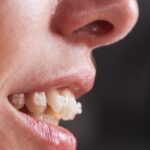
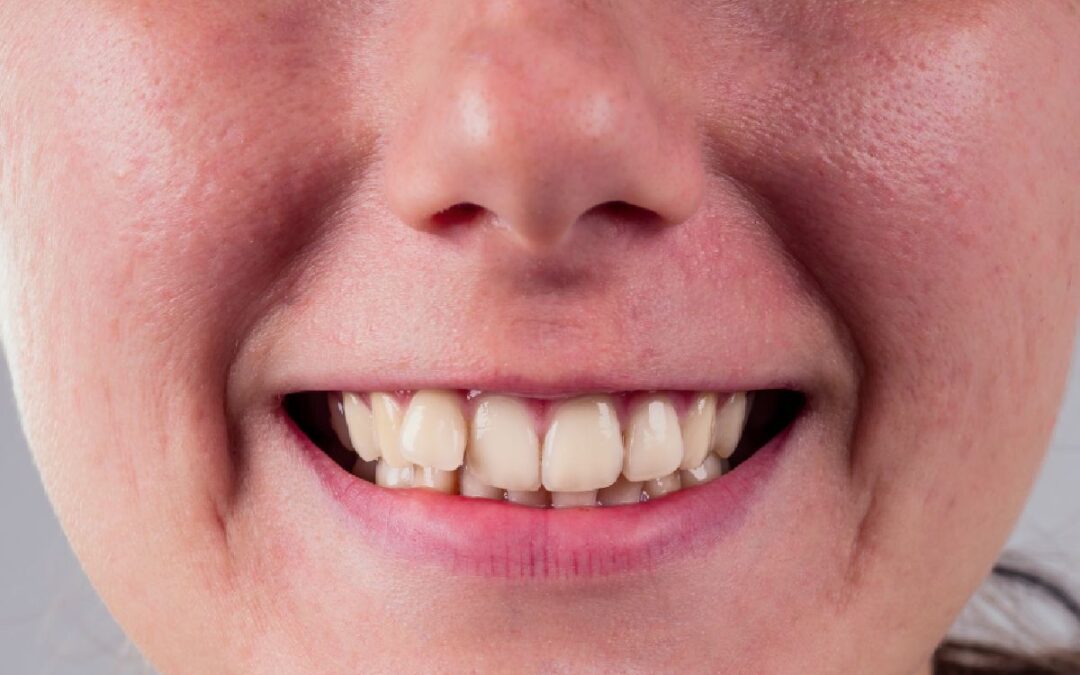
Crooked teeth are teeth that are not properly aligned within the dental arch. They may overlap, twist, crowd together, or leave noticeable gaps between one another. In some cases, crooked teeth also affect how the upper and lower teeth meet when you bite.
Common Types of Misalignment
Crooked teeth can appear in several ways, including:
- Crowded teeth
- Rotated teeth
- Gaps between teeth
- Crossbite
- Overbite
- Underbite
- Open bite
Each type of misalignment can affect oral health differently, and some have little impact while others may interfere with chewing or cleaning.
What Causes Crooked Teeth?
Several factors can contribute to crooked teeth, including:
- Genetics and inherited jaw size
- A jaw that is too small for the size of the teeth
- Thumb sucking or prolonged pacifier use during childhood
- Early loss of baby teeth
- Missing permanent teeth
- Dental injuries or trauma
Sometimes, crooked teeth result from a combination of these factors rather than a single cause.
Can Crooked Teeth Affect Your Oral Health?
Yes. Crooked teeth can make daily oral hygiene more challenging, allowing plaque and bacteria to build up in areas that are difficult to reach.
Higher Risk of Cavities
When teeth overlap or are tightly crowded, toothbrush bristles and dental floss may not clean every surface effectively. Food particles and plaque can remain trapped, increasing the likelihood of tooth decay.
People with crowded teeth should be especially consistent with brushing, flossing, and routine dental cleanings to reduce this risk.
Increased Risk of Gum Disease
Plaque that is not removed can irritate the gums, leading to gingivitis. If left untreated, gingivitis can progress to periodontitis, a more serious form of gum disease that affects the tissues supporting the teeth.
Although crooked teeth alone do not cause gum disease, they can make proper cleaning more difficult, increasing the risk.
Persistent Bad Breath
Plaque and food debris trapped between crowded teeth can encourage bacterial growth. These bacteria produce odors that may contribute to chronic bad breath, even when brushing regularly.
Uneven Tooth Wear
Misaligned teeth may not distribute biting forces evenly. Over time, certain teeth may wear down faster than others, increasing the risk of enamel loss, sensitivity, or small fractures.
Can Crooked Teeth Cause Jaw Pain or TMJ Problems?
They can contribute to jaw discomfort in some people, but they are not the only cause of temporomandibular joint (TMJ) disorders.
When the teeth do not fit together properly, the jaw muscles may work harder during chewing. In some individuals, this added strain may contribute to:
- Jaw soreness
- Clicking or popping sounds
- Muscle fatigue
- Difficulty opening or closing the mouth comfortably
However, TMJ disorders are complex. Stress, teeth grinding, arthritis, injuries, and other factors can also play significant roles. Not everyone with crooked teeth will develop jaw pain, and not everyone with TMJ problems has crooked teeth.
Can Crooked Teeth Affect Digestion or Speech?
In severe cases, yes. Mild crooked teeth usually have little or no effect on digestion or speech.
Chewing
Proper digestion begins with chewing. If significant bite problems prevent food from being broken down effectively, swallowing larger pieces of food may place additional work on the digestive system. While chewing alone does not determine digestive health, it is an important first step.
Speech
Certain bite problems can make it more difficult to pronounce sounds that require precise tongue and tooth positioning, such as “S,” “F,” or “TH.” Speech changes are more common with severe bite misalignment than with mild crowding.
Do Crooked Teeth Always Need Treatment?
No. Not every case of crooked teeth requires orthodontic treatment.
Some people have mild crowding that causes no discomfort, no difficulty cleaning, and no bite problems. In these situations, your dentist may simply recommend monitoring the teeth during routine checkups.
Treatment is generally more likely to be recommended when crooked teeth affect oral health, function, or quality of life.
| Situation | Is Treatment Usually Recommended |
| Mild crowding with good oral hygiene | Sometimes |
| Frequent cavities due to crowding | Yes |
| Gum disease caused by cleaning difficulty | Often |
| Significant bite problems | Usually |
| Cosmetic concerns only | Depends on patient preference |
The decision should be based on your overall oral health, symptoms, and personal goals rather than appearance alone.
How Are Crooked Teeth Treated?
Treatment depends on the type and severity of the misalignment, as well as your age and overall oral health.
Braces
Traditional braces remain one of the most effective treatments for moderate to severe alignment problems. They gradually move teeth into healthier positions while improving how the upper and lower teeth fit together.
For a closer look at the treatment process, read How Do Braces Work? A Complete Guide for Detroit Families.
Invisalign
Clear aligners such as Invisalign can successfully treat many mild to moderate cases of crooked teeth. They offer a more discreet alternative to braces and are removable for eating and brushing.
Learn more in Invisalign vs. Braces: Which Is Right for You?
Tooth Extraction
In some cases, there simply isn’t enough room in the mouth to properly align all the teeth. Your orthodontist may recommend removing one or more teeth to create space before orthodontic treatment begins.
Extractions are only recommended when they are necessary to achieve a healthy, stable result.
Can Straightening Crooked Teeth Improve Oral Health?
In many cases, yes.
When teeth are properly aligned, they are often easier to clean, which can reduce plaque buildup and lower the risk of cavities and gum disease. A balanced bite can also distribute chewing forces more evenly, reducing excessive wear on individual teeth.
Potential benefits of orthodontic treatment include:
- Easier brushing and flossing
- Less plaque retention
- Improved bite function
- Reduced uneven tooth wear
- Better long-term oral health
- Increased confidence in your smile
While orthodontic treatment offers many advantages, it does not guarantee freedom from dental problems. Good oral hygiene and regular dental visits remain essential.
How Detroit Dental Specialists Can Help
Not every patient with crooked teeth needs braces or clear aligners. The first step is understanding whether your tooth alignment is affecting your oral health, bite, or daily comfort.
At Detroit Dental Specialists, we perform comprehensive evaluations to assess your teeth, bite, and jaw function. If treatment is recommended, we’ll explain your options clearly and help you decide whether braces, Invisalign, or another approach is best for your needs.
Our goal is to improve both the health and function of your smile while creating a treatment plan that fits your lifestyle and budget.
Wondering If Your Crooked Teeth Are Affecting Your Oral Health?
If crowded teeth make brushing difficult, you’re noticing uneven tooth wear, or your bite doesn’t feel quite right, a professional evaluation can help determine whether treatment would benefit your long-term oral health.
Schedule an Appointment to learn more about your options and receive personalized recommendations from the team at Detroit Dental Specialists.
Final Thoughts
Crooked teeth are not automatically a health problem, but they can increase the risk of certain oral health issues depending on their severity and how they affect your bite. Crowding, uneven tooth wear, and difficulty cleaning between teeth are all factors that may make treatment worthwhile.
The good news is that not every crooked smile requires braces or Invisalign. A professional evaluation can determine whether your alignment is simply a cosmetic concern or something that could affect your long-term oral health.
If you’re unsure whether your crooked teeth need attention, scheduling an evaluation is the best way to get clear, personalized guidance and protect your smile for years to come.
Frequently Asked Questions
Are crooked teeth unhealthy?
Not always. Mild crooked teeth may never cause problems, but more significant misalignment can increase the risk of cavities, gum disease, tooth wear, and bite issues.
Can crooked teeth cause cavities?
Yes. Crowded or overlapping teeth can trap plaque and food particles, making some areas more difficult to clean and increasing the risk of tooth decay.
Can crooked teeth lead to gum disease?
They can contribute to it. When plaque accumulates around crowded teeth and isn’t removed effectively, the gums are more likely to become inflamed.
Is it okay to leave crooked teeth untreated?
If your crooked teeth are mild and aren’t causing oral health or functional problems, treatment may not be necessary. A dentist can help determine whether monitoring or treatment is the better option.
Can Invisalign fix crooked teeth?
Yes. Invisalign can effectively treat many mild to moderate cases of crooked teeth. More complex cases may be better suited for braces or other orthodontic treatments.
At what age should crooked teeth be treated?
Orthodontic treatment can be successful for children, teenagers, and adults. Early evaluation helps identify potential problems, but many adults also achieve excellent results.
Can crooked teeth cause headaches?
Some people with significant bite problems or jaw strain may experience headaches. However, headaches have many possible causes, so a professional evaluation is needed to determine whether your bite is contributing.
Does straightening teeth improve oral health?
Often, yes. Straighter teeth are generally easier to clean and may reduce plaque buildup, uneven tooth wear, and certain bite-related problems. Combined with good oral hygiene, orthodontic treatment can support long-term oral health.