If you’re considering braces for yourself or your child, chances are one of your biggest concerns is pain. You might be wondering, “Will it hurt to get braces put on?” or “How long will the soreness last?”
Another question you might have is, “How much do braces cost?”
The good news is that while there may be some discomfort, braces pain is usually mild, temporary, and very manageable. In fact, for many patients, it’s more of an adjustment period than real pain.
In this article, we’ll walk you through what to expect during each stage of treatment, how the discomfort compares to other common experiences, and the best ways to stay comfortable while your smile improves.
Key Takeaways
- Getting braces placed doesn’t usually hurt, but mild soreness is common after placement and adjustments.
- Most discomfort happens in the first few days and fades quickly.
- The pain is manageable with soft foods, saltwater rinses, and over-the-counter medication.
- At Detroit Dental Specialists, our team focuses on patient comfort from day one.
- Free consultations available at our 8 Mile location with braces from just $99/month.
What Does It Feel Like to Get Braces Put On?
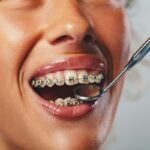
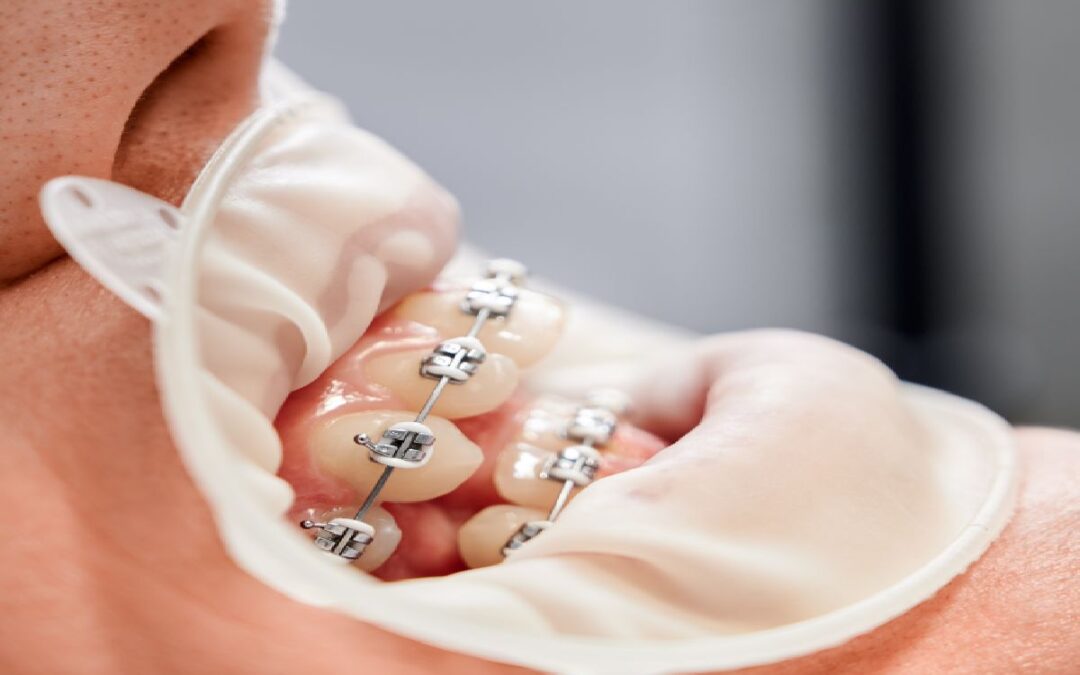
Here’s some good news up front: the process of getting braces placed is not painful. There are no needles, no numbing, and no drilling. The entire appointment usually takes one to two hours, and it’s mostly about placing and bonding the brackets to your teeth.
Most patients describe this appointment as feeling more like pressure than pain. You might feel:
- Mild pressure as brackets are applied
- Slight stretching when your cheeks or lips are held aside
- A little odd as your mouth gets used to the new hardware
But real “pain” isn’t part of the experience. Any soreness usually starts a few hours later, once your teeth begin to respond to the gentle pressure.
When Does Braces Pain Actually Start?
Braces work by applying small, steady pressure to move teeth into better alignment. That pressure can cause sensitivity, especially during the first few days after placement or during future adjustments.
Here’s when patients commonly report soreness:
- First 1–3 days after getting braces
- 1–2 days after routine adjustments
- After wearing elastics for the first time
- When switching to stronger wires
The discomfort is usually described as a dull ache or pressure, similar to the feeling after biting into something hard. It might feel uncomfortable while eating or biting down, but it fades quickly as your mouth adapts.
What Kind of Pain Should You Expect?
Let’s break it down into the types of discomfort people experience during treatment:
Tooth Sensitivity
- Your teeth may feel sore when biting or chewing.
- Usually lasts 3 to 5 days.
- Often compared to mild pressure from tight shoes, noticeable but not unbearable.
Gum and Cheek Irritation
- Brackets and wires can rub against the inside of your cheeks and lips.
- This is more common in the first few weeks as your mouth adjusts.
- Orthodontic wax can be placed on brackets to reduce friction.
Jaw Fatigue
- If your bite is being adjusted or elastics are used, your jaw may feel tired or sore.
- This is normal and typically fades within a week.
It’s important to remember that everyone experiences discomfort differently. Some people barely notice it, while others need a few days to get used to it. Kids and teens usually adapt quickly.
How Long Does Braces Pain Last?
Here’s a quick timeline to give you a sense of how long the discomfort typically lasts:
- Day 1–3: Mild to moderate soreness begins as teeth start moving.
- Day 4–7: Soreness fades, and you begin adjusting to your new bite.
- Week 2 and beyond: Most patients feel normal. Occasional soreness may return after adjustments, but it’s usually short-lived.
For most people, the toughest part is the first few days after placement. After that, wearing braces becomes routine.
Tips to Relieve Braces Pain and Soreness
The pain might not be severe, but it can be annoying. Fortunately, there are plenty of simple, effective ways to ease the discomfort.
Eat Soft Foods
Stick to soft, easy-to-chew foods like:
- Mashed potatoes
- Yogurt
- Smoothies
- Soup
- Mac and cheese
- Scrambled eggs
Avoid anything crunchy, hard, or sticky, especially in the first week.
Use Orthodontic Wax
If brackets or wires rub against the inside of your cheeks, orthodontic wax can help create a smooth surface and reduce irritation.
Rinse with Warm Saltwater
A saltwater rinse can soothe sore spots and promote healing. Mix 1 teaspoon of salt in a cup of warm water and swish gently for 30 seconds.
Take Over-the-Counter Pain Relief
If needed, medications like ibuprofen or acetaminophen can help with soreness. Always follow the recommended dosage and check with your orthodontist or pediatrician for kids.
Avoid Touching or Playing with Braces
The more you poke, prod, or clench your teeth, the more discomfort you’ll feel. Try to let your mouth rest and adjust naturally.
Braces Pain for Kids: What Parents Should Know
If you’re a parent getting braces for your child, it’s natural to worry about how they’ll handle the pain. Here’s what helps:
- Let them know the soreness is temporary and normal.
- Have soft foods ready for the first few days.
- Keep orthodontic wax and saltwater rinses handy.
- Encourage them to talk about how they’re feeling.
Most kids adapt within a week and even start to enjoy picking out their ligature colors at future visits.
Braces Pain for Adults: What to Expect
Adults tend to experience slightly more soreness than kids. That’s because adult teeth and jawbones are more fully developed and take a bit more effort to shift.
But the pain still follows the same pattern: mild, manageable, and gone within a few days. Adults may be more likely to use pain relievers or need extra wax at first, but the results are just as rewarding.
What If the Pain Feels Worse Than It Should?
Brace discomfort is normal, but sharp or prolonged pain might mean something is off. Call your orthodontist if you experience:
- A poking wire causing bleeding or ulcers
- A broken bracket or wire
- Pain that lasts more than a week without relief
- Swollen gums or signs of infection
At Detroit Dental Specialists, we’re always available to answer questions or make quick repairs if something’s bothering you.
Why Choose Detroit Dental Specialists?
Pain is only part of the story. Choosing the right orthodontic team can make all the difference in your comfort and results.
Here’s what you can expect at our 8 Mile Braces & Invisalign Center:
- Gentle, experienced orthodontists who explain everything clearly
- A welcoming, judgment-free environment for both kids and adults
- Transparent pricing and plans starting at $99/month
- Free consultations to explore your options without pressure
- Most major insurance plans are accepted
- Same-day appointments available
- A Price Match Guarantee within a 30-mile radius
We’re not just about straight teeth. We’re about making the journey easier from start to finish. Schedule a braces appointment today and get started.
Conclusion: The Truth About Braces Pain
Yes, braces can be uncomfortable at times. But the pain is usually mild, short-lived, and worth the results.
Most patients adjust quickly, especially with the support of an experienced orthodontic team. At Detroit Dental Specialists, we’re committed to making every step of your smile journey comfortable, clear, and successful.
Braces aren’t about pain. They’re about progress.
Let us help you take the next step toward a healthier, straighter smile.
Frequently Asked Questions
1: Do braces hurt when you get them on?
Not really. The placement doesn’t hurt, but you may feel some soreness a few hours later.
2: How long does the pain last after getting braces?
Most discomfort lasts 3 to 5 days, then fades. Future adjustments may cause soreness for a day or two.
3: Is the pain the same every time you get an adjustment?
Not always. Some adjustments are barely noticeable, others may cause mild soreness. It depends on the type of movement your teeth are making.
4: Can I take painkillers for braces pain?
Yes. Over-the-counter options like ibuprofen or acetaminophen can help manage soreness.
5: What should I eat when my braces hurt?
Stick to soft foods like yogurt, soup, mashed potatoes, and smoothies. Avoid anything crunchy or chewy until the soreness fades.