
Getting braces is a big decision, and it often comes with a long list of questions.
Whether you’re considering braces for yourself or your child, understanding how they work, what they cost, and what to expect can help ease any concerns.
This article answers some of the most frequently asked questions about braces, all in one convenient place.
16 Most Common Questions About Braces Answered
1: What are the different types of braces?
Braces come in several types: traditional metal braces, ceramic (clear) braces, lingual braces (placed behind the teeth), and clear aligners like Invisalign. Each type has its pros and cons depending on your needs and budget.
2: Do braces hurt your teeth?
Braces don’t damage your teeth, but they can cause temporary discomfort or soreness after adjustments. This usually fades in a few days.
3: How long do braces stay on teeth?
Most people wear braces for 12 to 24 months, but it can vary based on how complex your case is. Some treatments may be shorter or longer.
4: How many teeth are needed for braces?
You typically need most of your permanent teeth present, especially the front and back molars. Your orthodontist will assess if you’re a good candidate based on your dental structure.
5: What is the best age for braces?
The ideal age is between 10 and 14, when most permanent teeth have come in and the jaw is still growing. But adults can benefit too.
6: How much are braces in Detroit?
In Detroit, braces usually range from $3,000 to $6,500. At Detroit Dental Specialists, payment plans start at just $167/month. Ready to get started? Check out our braces offer at 8 Miles today.
7: Is $5000 too expensive for braces?
$5,000 is within the national average for braces, especially for comprehensive treatment. Always check if payment plans, insurance, or discounts are available.
8: Do braces work in 3 months?
You may see some movement in 3 months, but full results typically take 1 to 2 years. Minor corrections might be faster.
9: Are braces painful?
Braces can cause mild soreness after placement or tightening. Most discomfort goes away within a few days.
10: How to brush with braces?
Use a soft-bristled brush and angle it above and below each bracket. Brushing after every meal helps prevent plaque and stains.
11: Do braces change face shape?
Braces can slightly change your facial profile by adjusting jaw alignment and tooth position. These changes are usually positive and enhance symmetry.
12: Do braces fix overbite?
Yes, braces can correct overbites by moving the teeth and sometimes the jaw into proper alignment. Rubber bands may be used in the process.
13: Can you smoke with braces?
Smoking is not recommended with braces. It can stain teeth, damage gums, and slow down the healing process.
14: Can you have braces with dental implants?
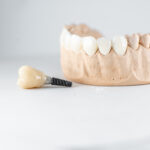
Yes, you can get braces with implants. The implant won’t move, but the surrounding teeth can be adjusted around it.
15: What are teeth braces?
Braces are orthodontic devices used to straighten teeth, fix bites, and improve dental alignment. They use brackets and wires to apply gentle pressure over time.
16: Can you use whitening strips with braces?
No, whitening strips can cause uneven results because they don’t reach the enamel under the brackets. It’s best to wait until braces are removed.
Conclusion
Getting braces can feel like a dive in the deep blue sea at first, but understanding the process helps you take control of your treatment.
Whether you’re curious about pain, cost, or how they work, these FAQs are a solid starting point. If you have more questions, our team is here to help guide you every step of the way.